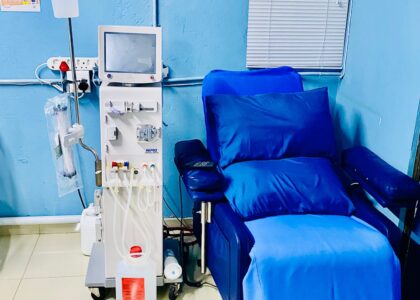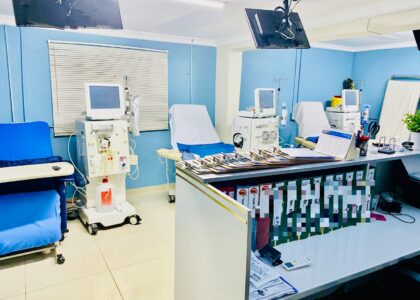


Continuous Renal Replacement Therapy (CRRT) is a life-saving treatment for patients with acute kidney injury (AKI) or end-stage renal disease (ESRD). It’s a type of dialysis that continuously removes waste products and excess fluids from the blood, providing essential support for patients with compromised kidney function ¹.
*What is CRRT?*
CRRT is a form of renal replacement therapy that mimics the natural function of the kidneys. It involves circulating blood through a hemofilter, which acts as an artificial kidney, removing waste products, toxins, and excess fluids. This process helps maintain fluid and electrolyte balance, supporting patients with AKI or ESRD ².
*Types of CRRT*
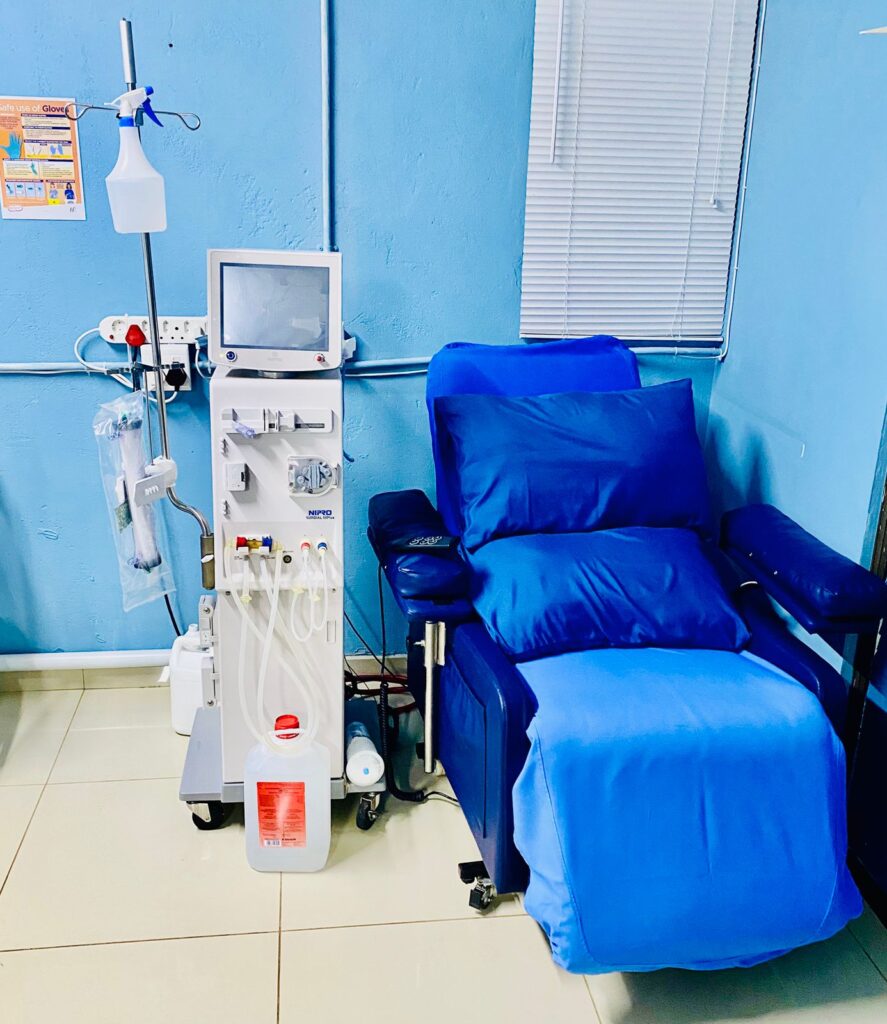
There are several types of CRRT, including:
– *Continuous Venovenous Hemofiltration (CVVH)*: Uses filtration to remove waste products and excess fluids.
– *Continuous Venovenous Hemodialysis (CVVHD)*: Uses diffusion to remove waste products and excess fluids.
– *Continuous Venovenous Hemodiafiltration (CVVHDF)*: Combines filtration and diffusion to remove waste products and excess fluids.
*Benefits of CRRT*
CRRT offers several benefits, including ³:
– *Hemodynamic stability*: Provides a more gradual and gentle fluid removal process, reducing the risk of hemodynamic instability.
– *Enhanced solute clearance*: Allows for continuous solute removal, providing more efficient clearance of waste products and toxins.
– *Acid-base and electrolyte management*: Enables precise control of electrolyte levels and gradual correction of acid-base imbalances.
– *Fluid balance control*: Allows for precise fluid removal, making it suitable for patients with fluid overload or impaired fluid regulation.
*Who Can Benefit from CRRT?*
CRRT is beneficial for patients with:
– *Acute kidney injury (AKI)*: CRRT can help support patients with AKI, providing continuous removal of waste products and excess fluids.
– *Hemodynamic instability*: CRRT provides a more gradual and gentle fluid removal process, reducing the risk of hemodynamic instability.
– *Electrolyte imbalances*: CRRT can help correct and maintain optimal electrolyte levels.
– *Fluid overload*: CRRT allows for precise fluid removal, making it suitable for patients with fluid overload ³.
*Potential Risks and Complications*
While CRRT is generally safe, there are potential risks and complications, including ⁴:
– *Bleeding*: CRRT can increase the risk of bleeding due to anticoagulation.
– *Infection*: CRRT requires vascular access, which can increase the risk of infection.
– *Electrolyte imbalances*: CRRT can cause electrolyte imbalances if not properly managed.
*Conclusion*
CRRT is a vital treatment option for patients with AKI or ESRD. It provides continuous removal of waste products and excess fluids, supporting patients with compromised kidney function. By understanding the benefits and potential risks of CRRT, healthcare professionals can provide optimal care for patients with kidney disease ¹.